ABC Computer & Audio Visual
Proj Dup
Serving LA & MS Since 1998, we are ABC Computer & Audio Visual.
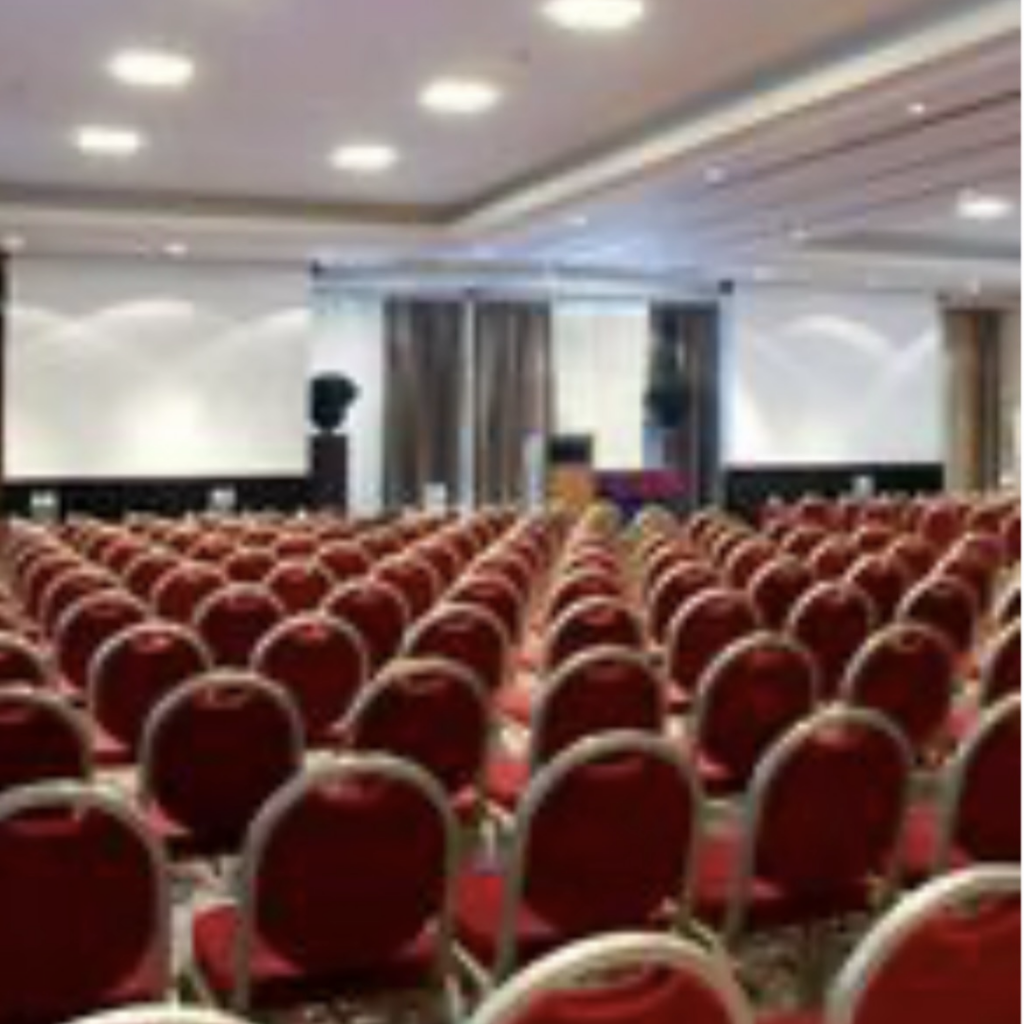
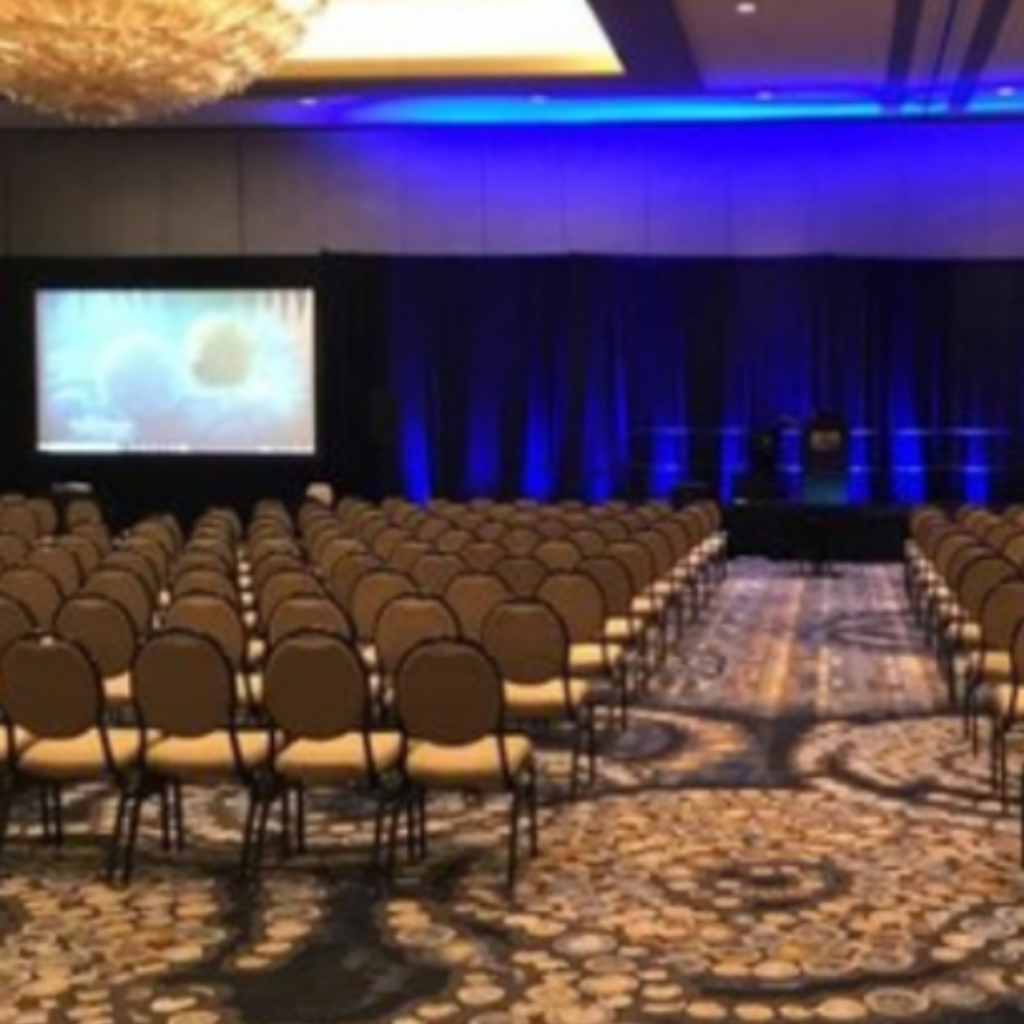
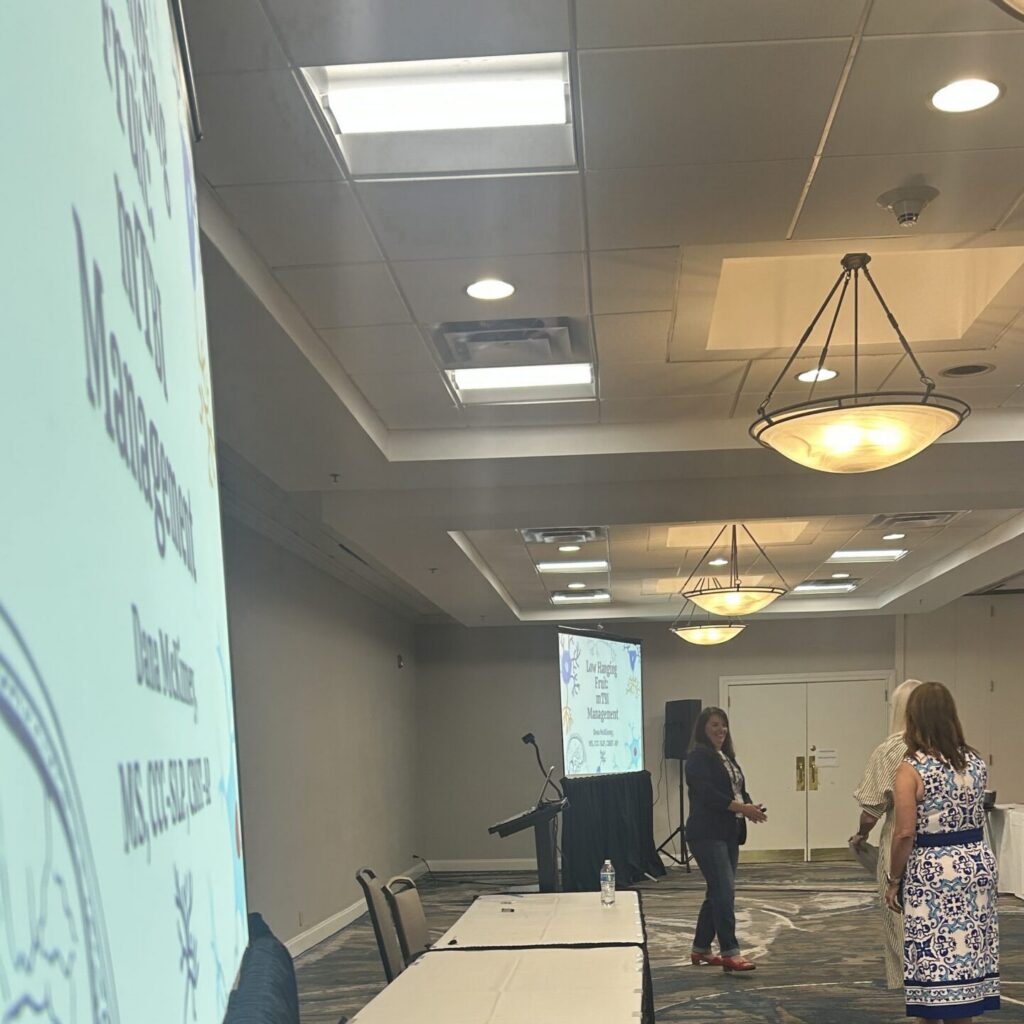


Picking Your Projector Provider
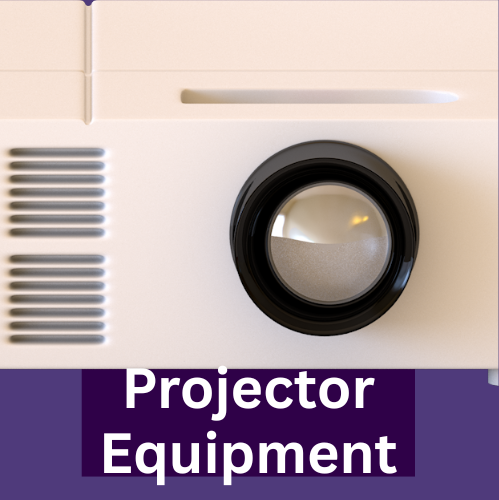
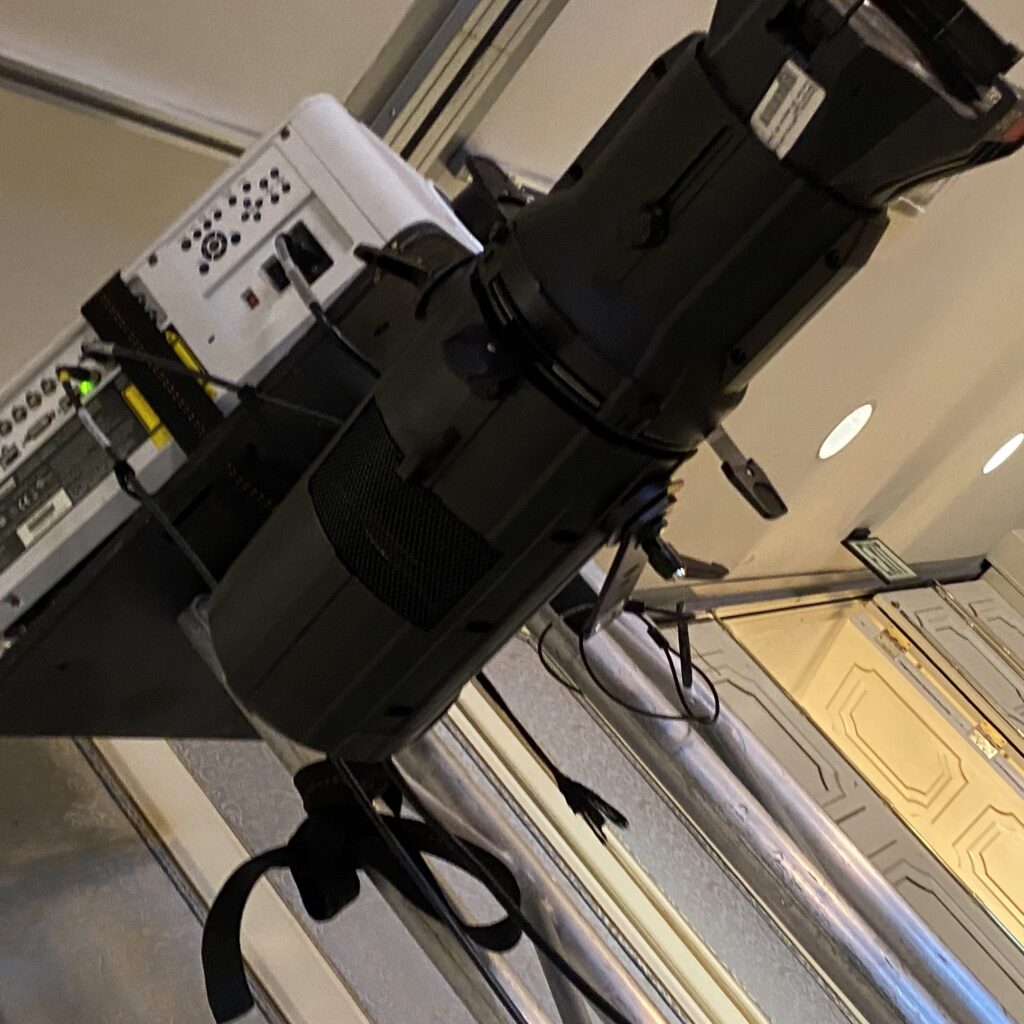
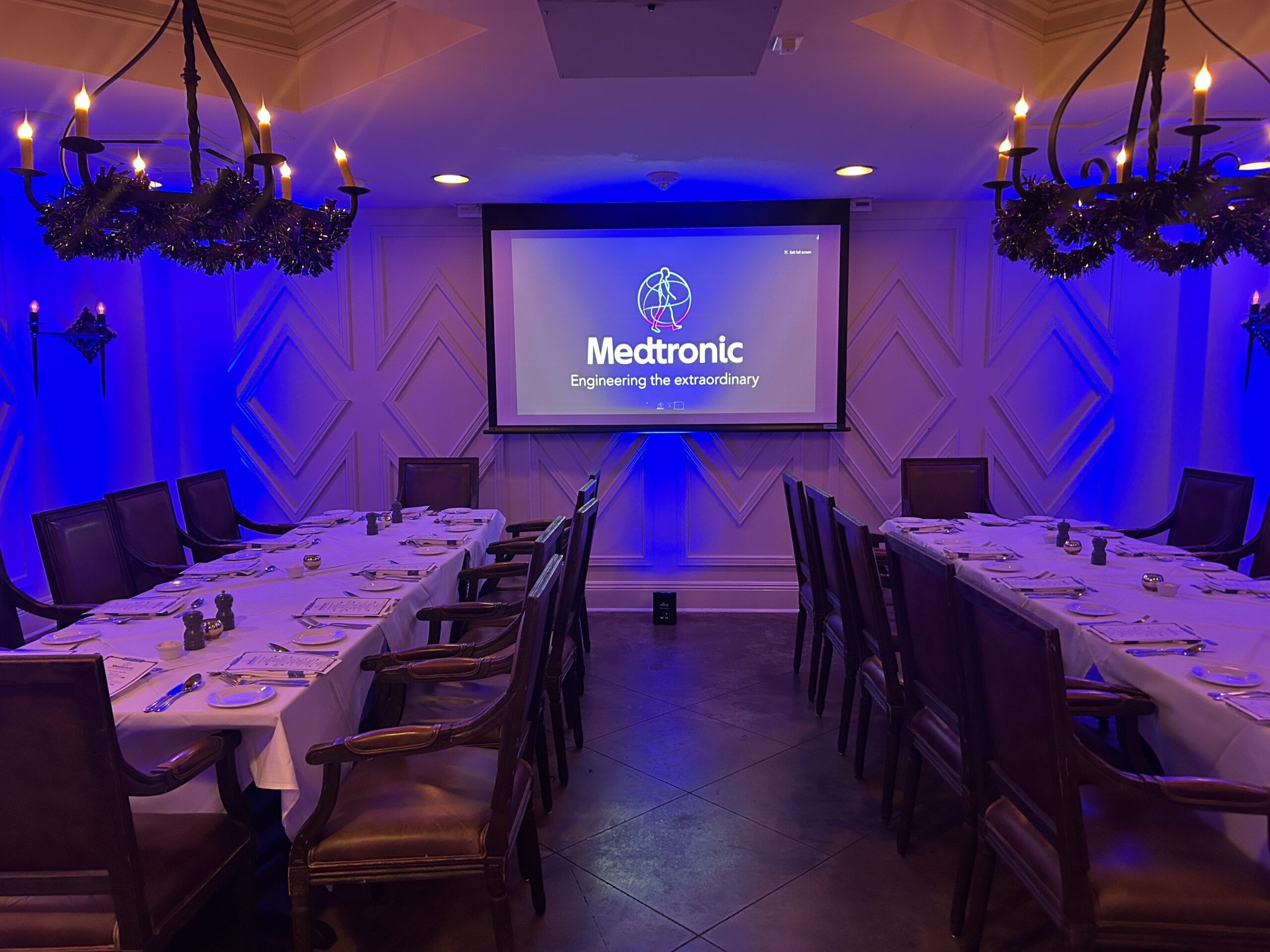
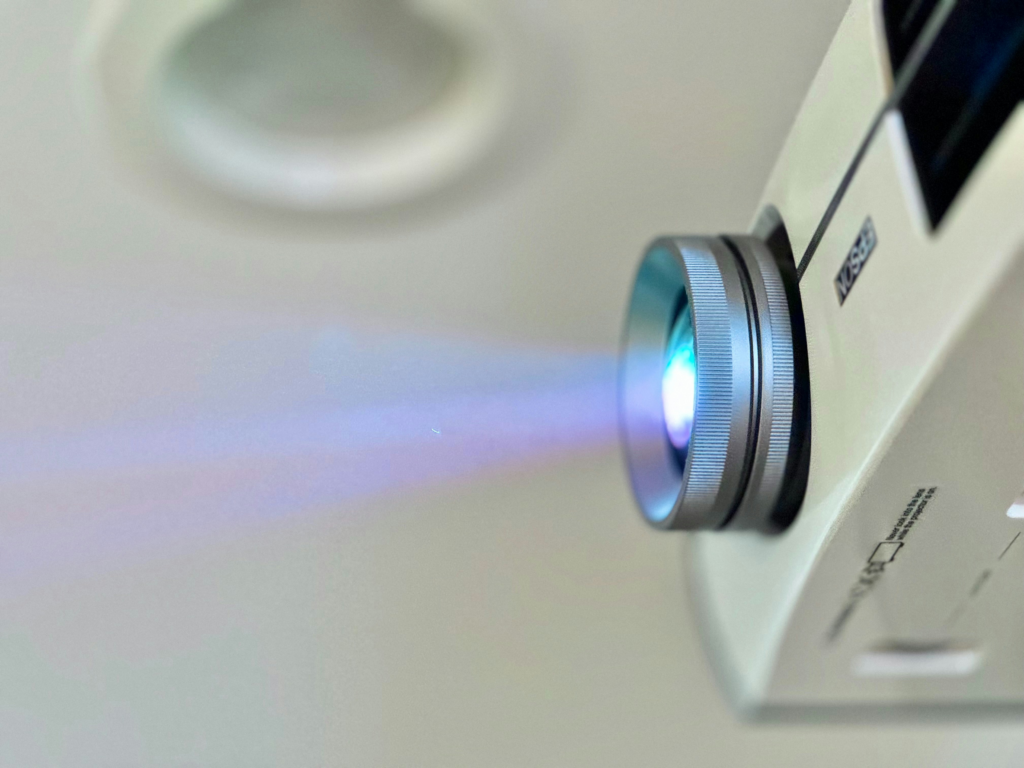
ABC has been offering projector rentals longer than most, and they have been a staple of our business for many years, including traditional projectors, short throw as well as ultra short throw projectors.
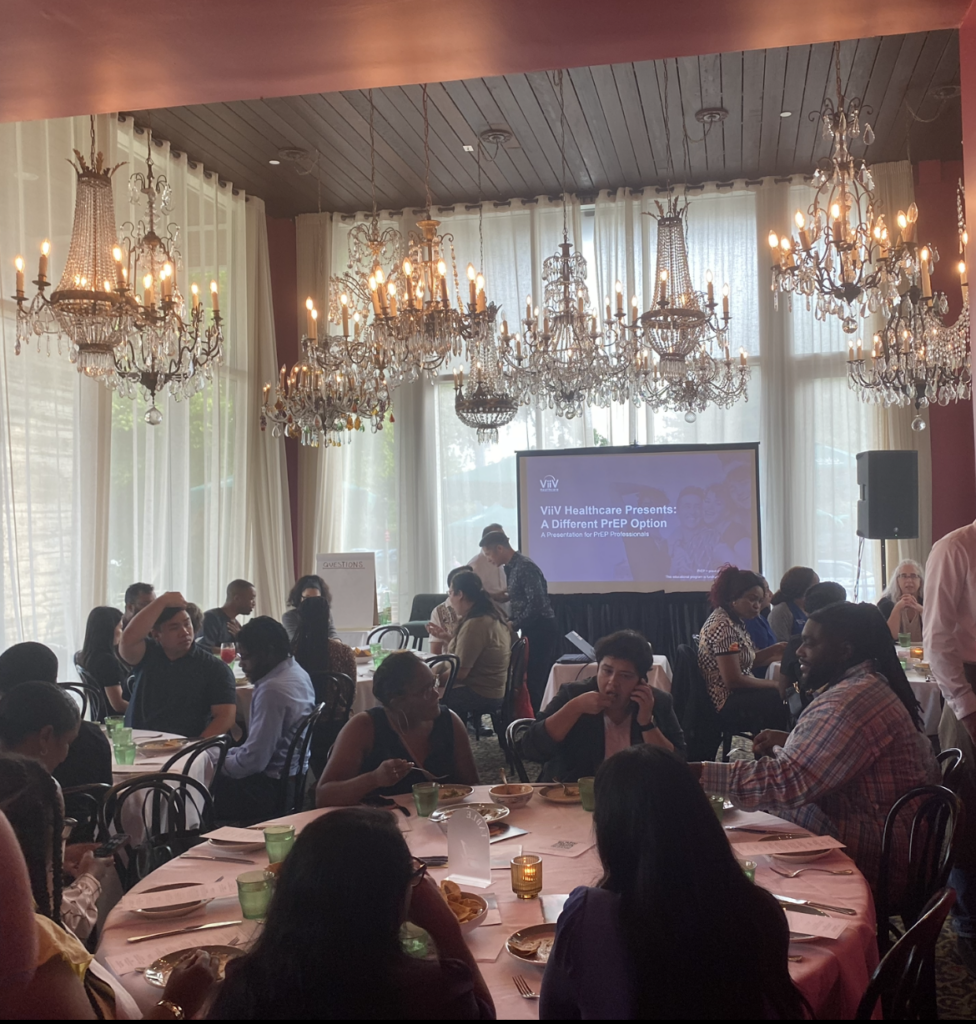
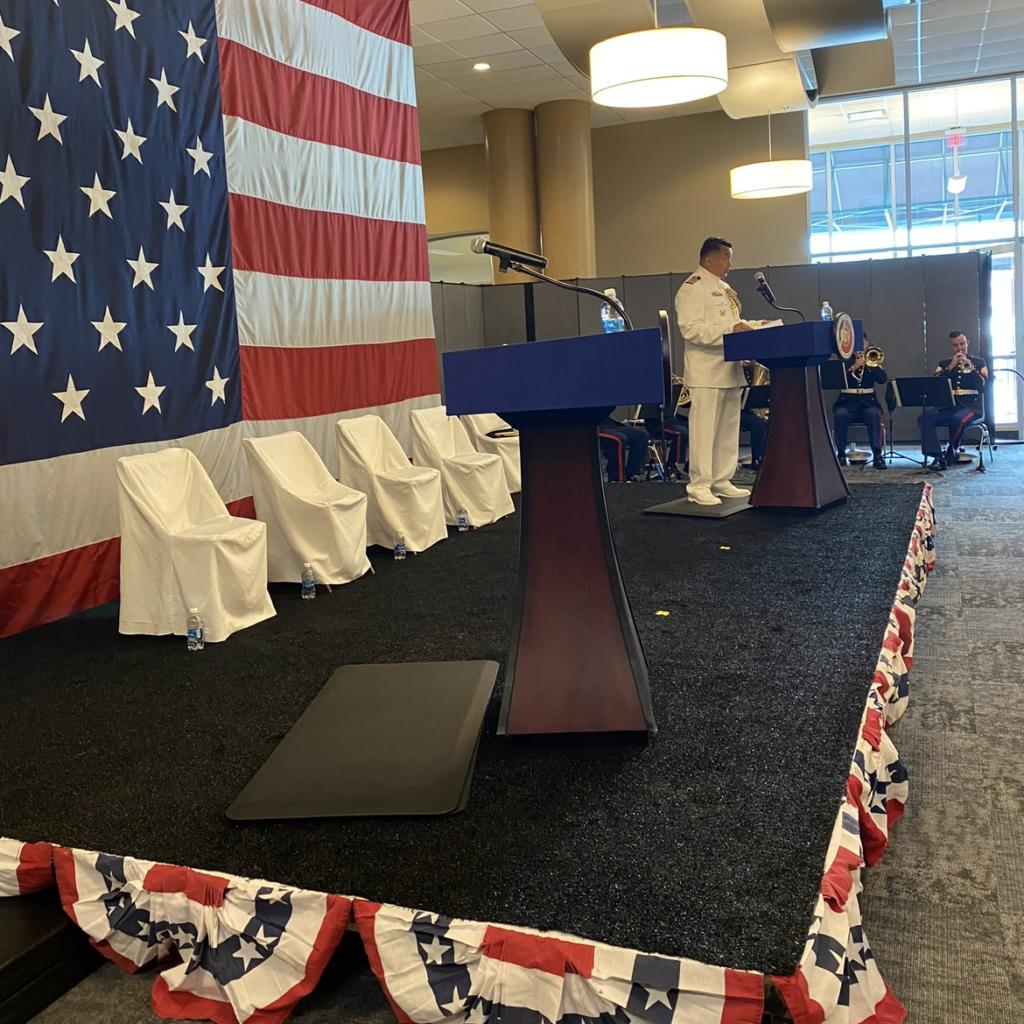
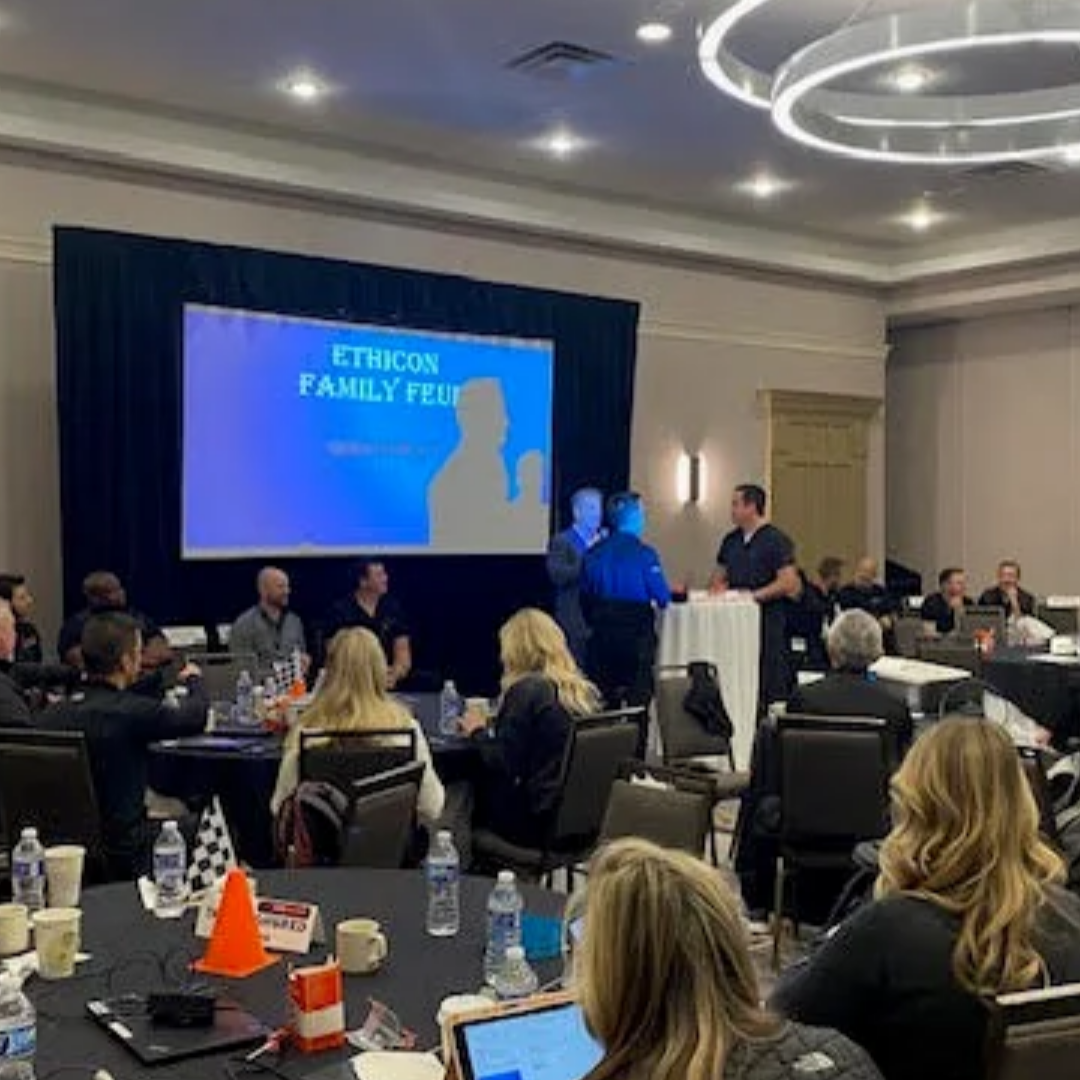
Our audio/visual expertise goes a long way towards providing New Orleans’ event planners with an all-in-one provider solution for all meeting and special occasion types, venues, environments and more.
Projector Screen Basics
Projector screens enhance the image quality for your projector setup. A good screen displays colors accurately and crisply and helps maximize the projector’s performance.
When choosing a projector screen, understanding some screen basics and core features (i.e. screen types, materials, gain, and sizes) should help you make more informed decisions when picking your audiovisual provider.
Not interested in all the details? No need – we know all of the in’s and out’s so you don’t have to; contact us with your event details or inquiry here.
Project Your Best
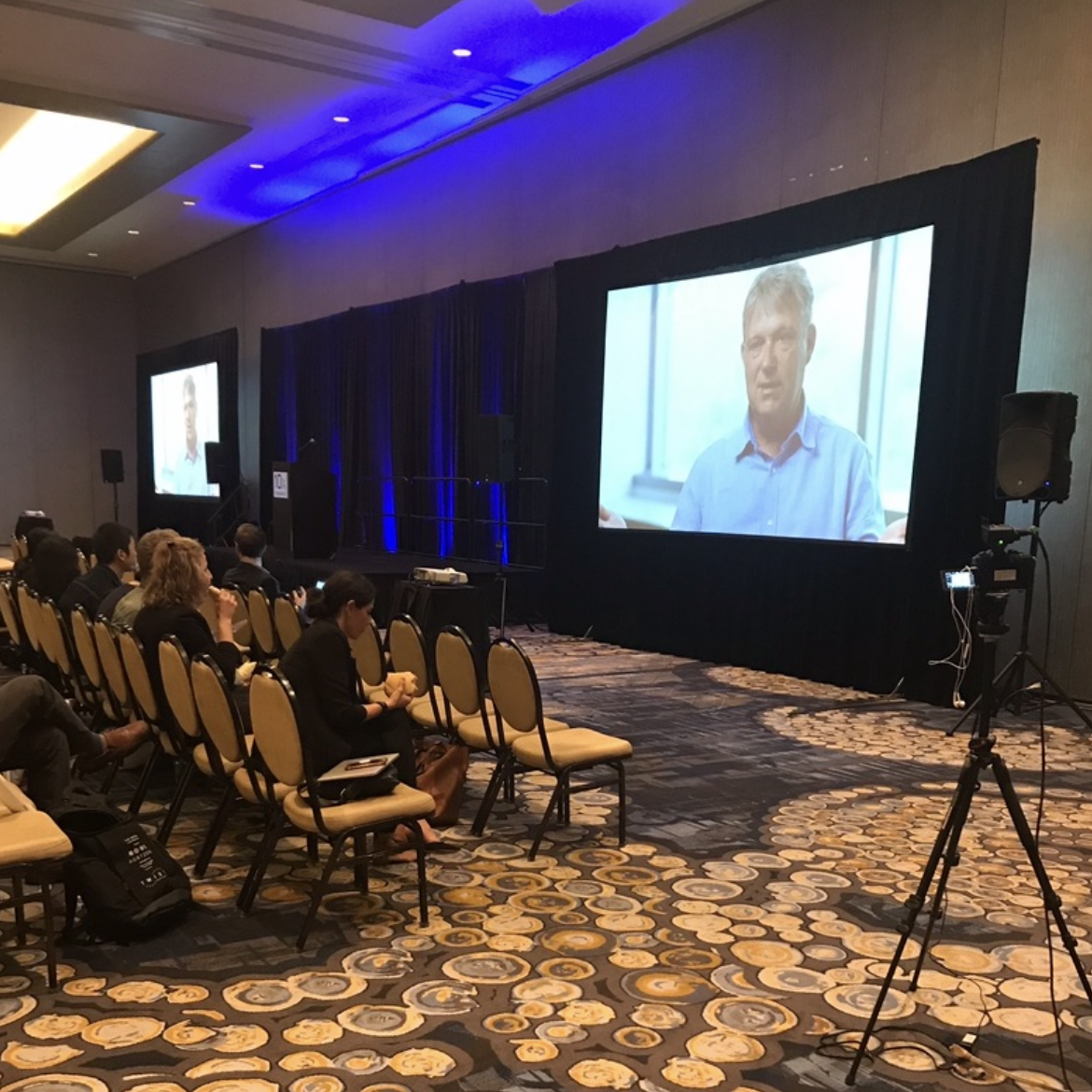
ABC ensures that its clients and their event participants have the best viewing experience possible. We are also here to help you choose a projector with all aspects considered.
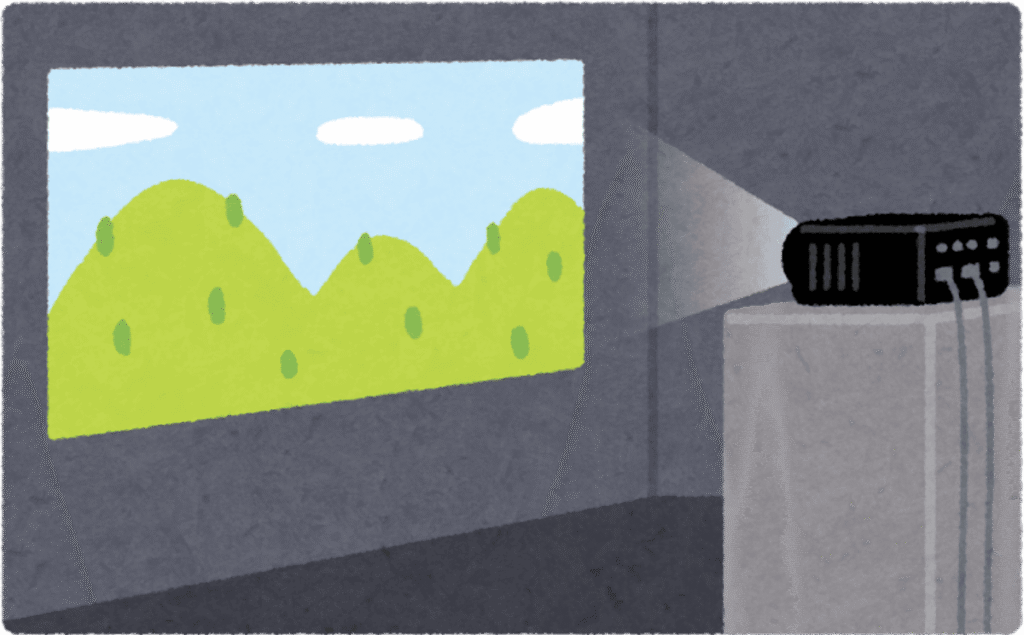
Understanding key features may help you make an informed decision. Keep reading, get it right, and transform your audience’s viewing experience.

Projection Screen Types
ABC Computer & Audio-Visual Experts Explain
Types of Projector Screens
Understanding the various types of projector screens is an important part of the process. Your choice impacts the viewing experience.
In collaboration with clients, ABC helps ensure the compatibility of your chosen projector, screen, and setup needs.
Common Types
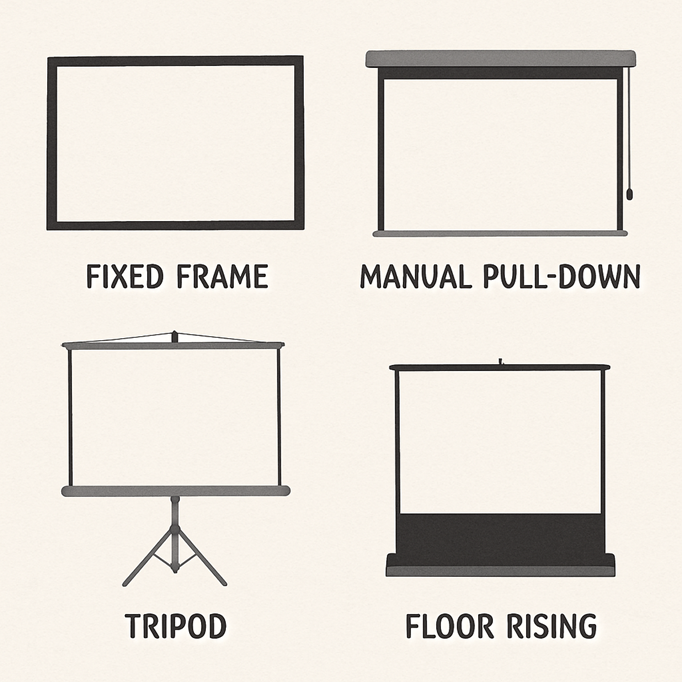
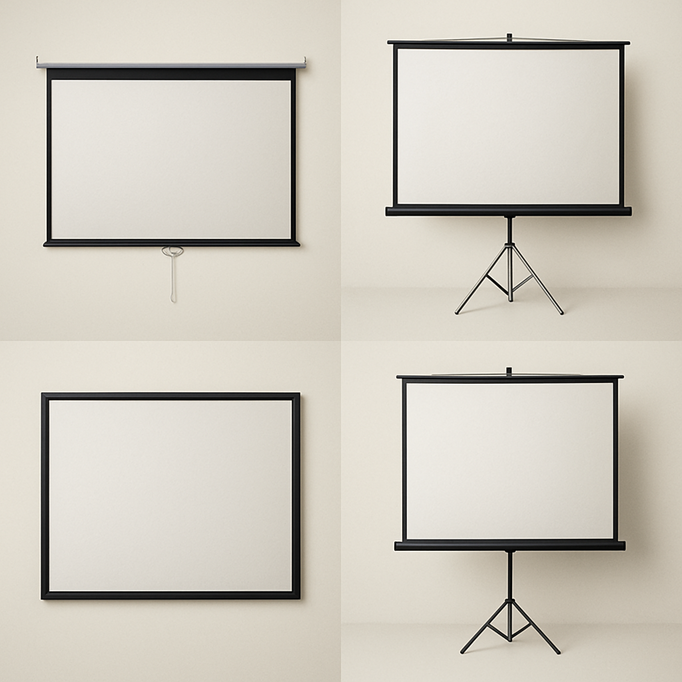
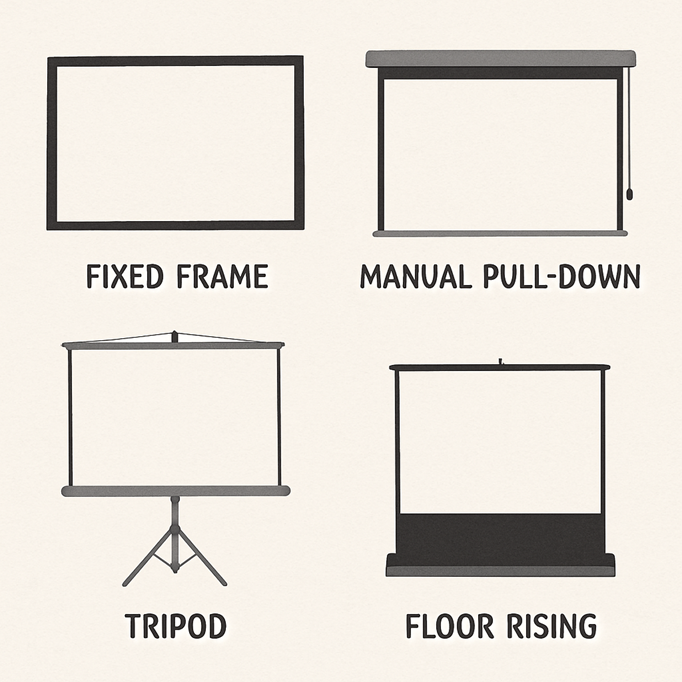
– Fixed Frame Projector Screens
– Retractable Projector Screens
– Portable Projector Screens
– Outdoor Projector Screens
Fixed frame screens are known for their taut surfaces. This ensures a consistently flat display.
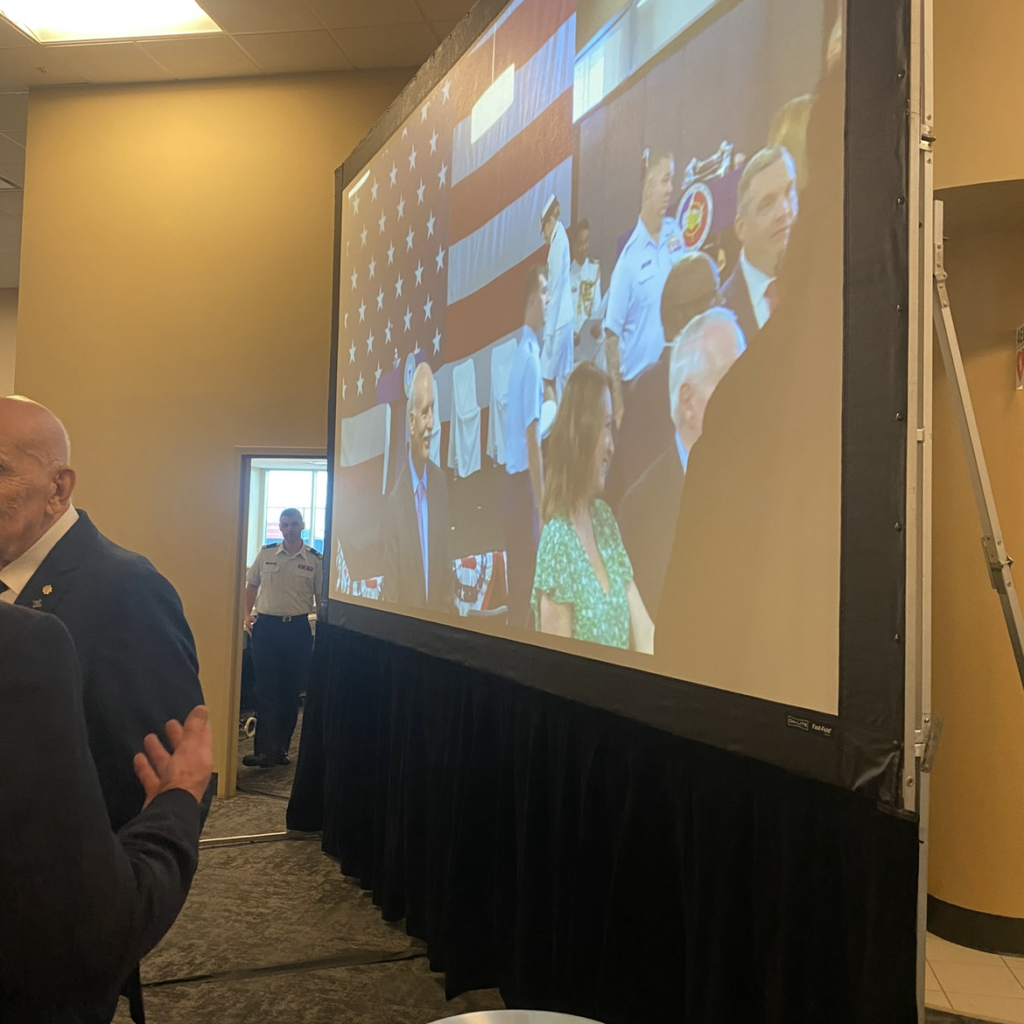
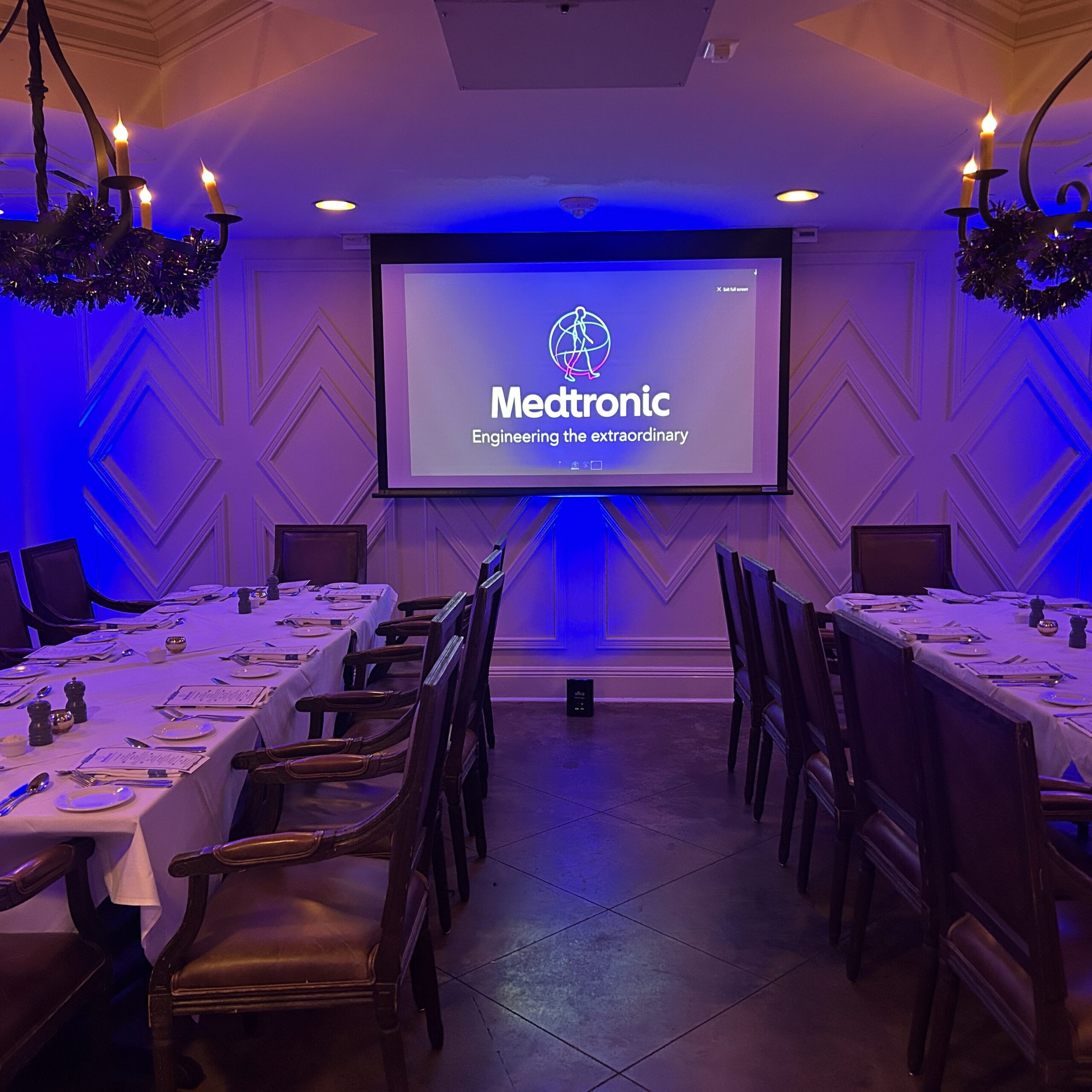
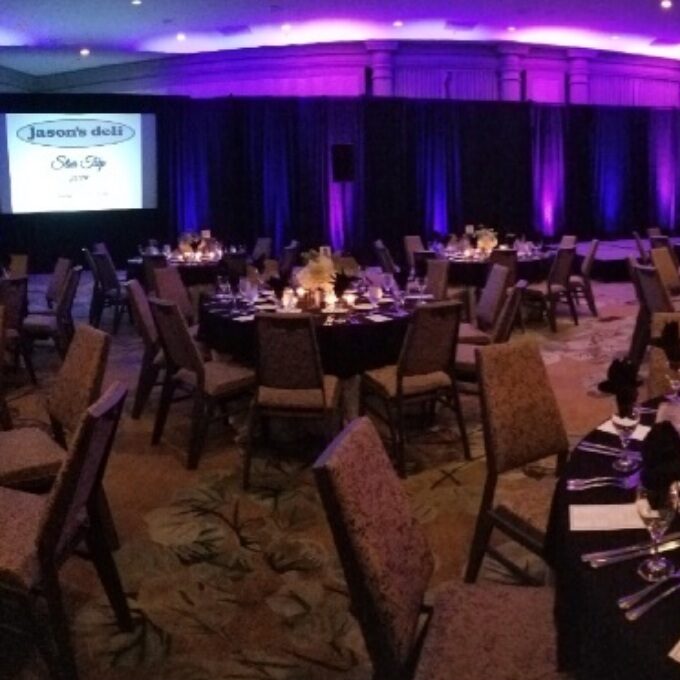
Retractable screens, both manual and motorized, offer flexibility in multi-use spaces and are typically built into certain event venues. When choosing a venue for your event, asking the Hotel Event Services Coordinator or other Venue Events Coordinator about your reserved room features is an important, yet free and easy step, that any event planner may take to better clarify their event equipment needs.
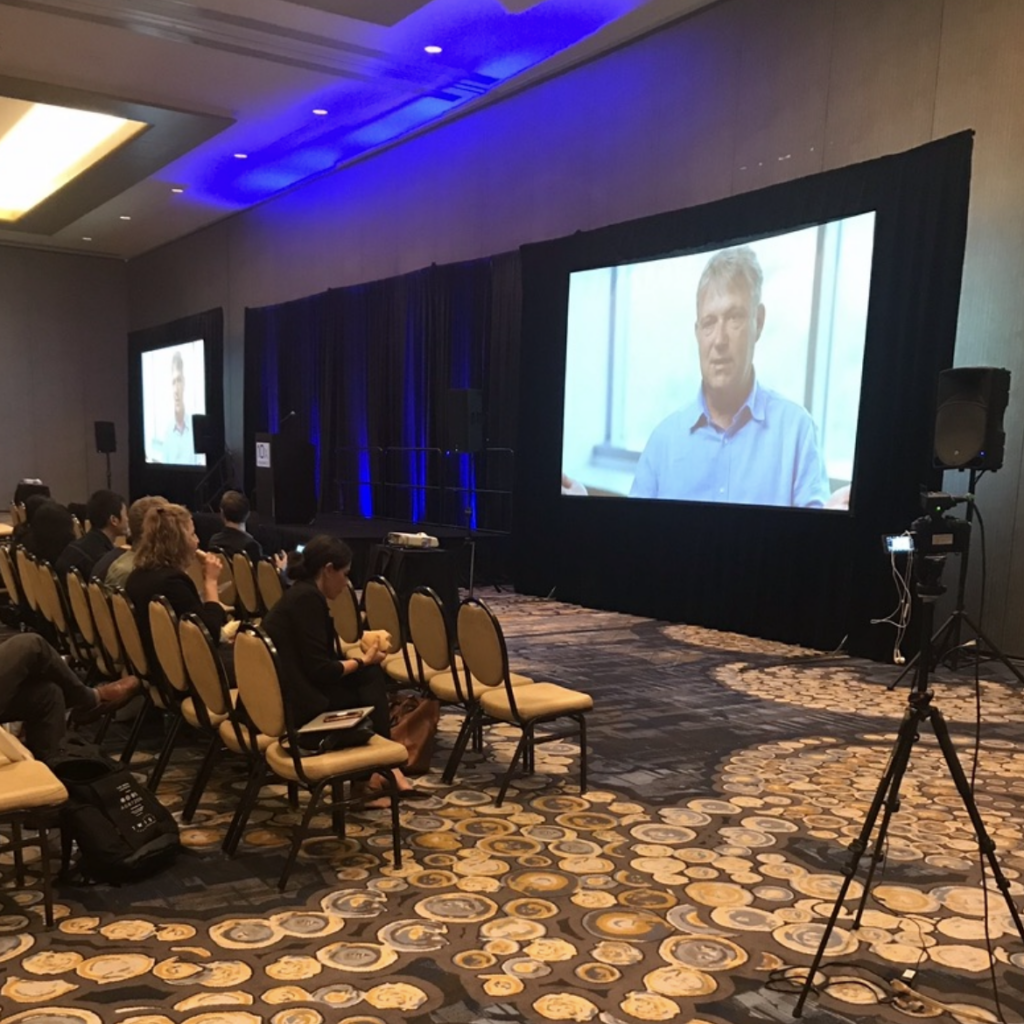
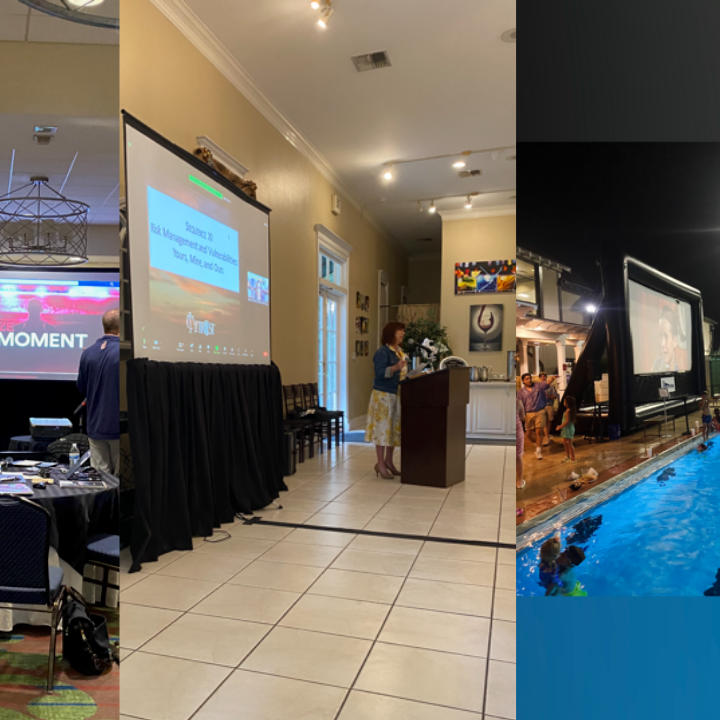
Portable screens are easy to transport and set up. They are ideal for temporary presentations.
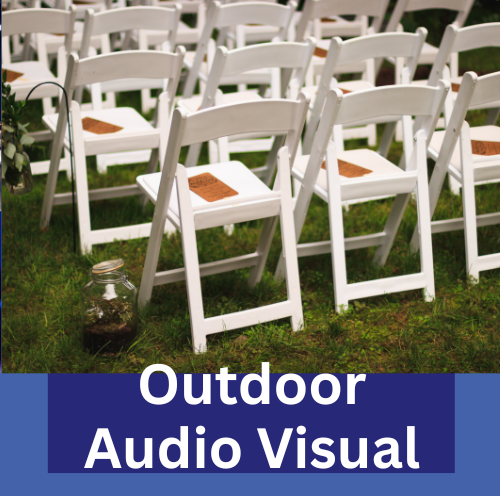
Outdoor screens are built to withstand weather conditions. They bring cinema-like experiences to your backyard.
Key Considerations
ABC Computer & Audio-Visual Experts Explain
Projectors and Screens
Familiarizing yourself with common projector and screen options can help you make your most informed decision.
Transform Your Experience
Choose a screen that complements your projector and space needs.
Core Features
Elements like screen material, gain, and aspect ratio affect brightness and clarity.
Size: Depends on room dimensions and audience size.
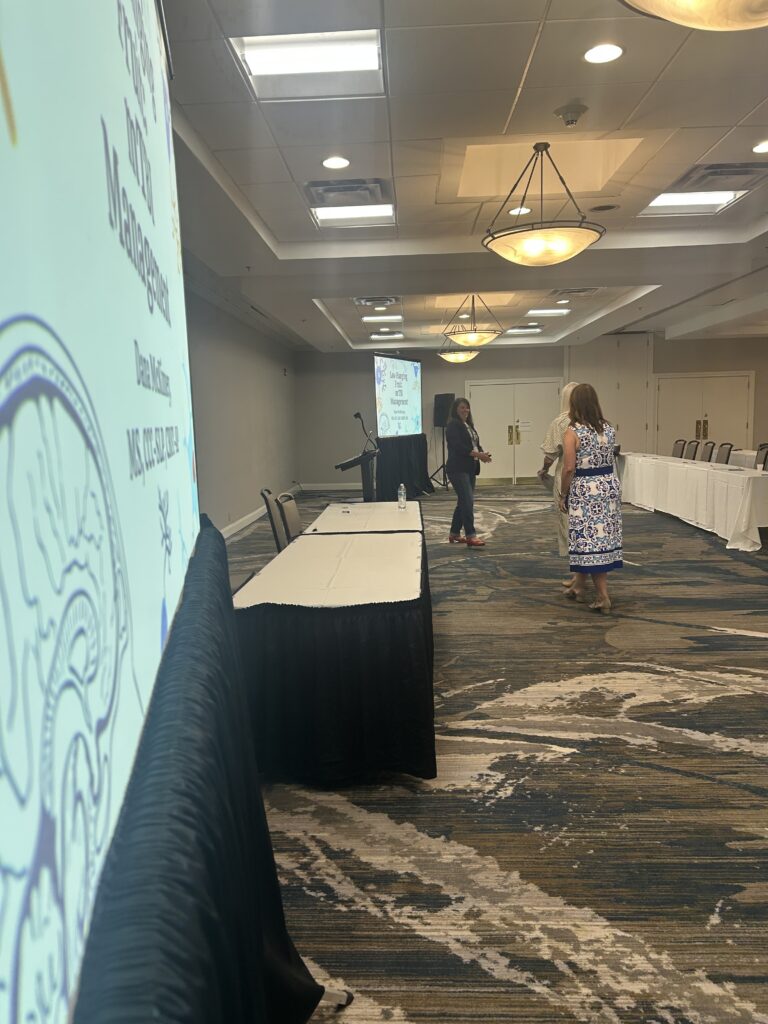
The size of your event venue space and how many audience members you expect should be on any event planner’s list of key considerations.
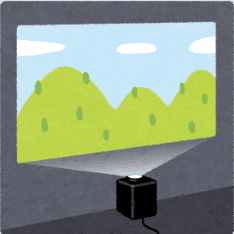
A larger screen requires a greater viewing distance and therefore enough room depth to fit the space. For rooms with less depth and distant viewing compatibility – ABC readily has high quality short-throw projectors as well as pricier ultra short-throw projectors available, which are best-suited for tight spaces with consistently bright resolution needs.
Screen Material: Impacts clarity and contrast.

The screen material greatly affects the image quality of your presentation media. Different materials suit different viewing environments. Common material types include:
- Matte White: Balanced brightness and wide viewing angles.
- Glass Bead: Increased brightness for controlled lighting areas.
- High Contrast Gray: Improved contrast in well-lit rooms.
A matte white screen is versatile. It’s perfect for evenly diffused light reflections, offering balanced brightness.
Glass bead screens enhance brightness. They work well in darker rooms or controlled lighting setups.
High-contrast gray screens are ideal for enhancing black levels. They work best in rooms with ambient light.
Ambient light rejection screens are ideal for bright rooms. They maintain image quality even in challenging lighting conditions.
Screen Gain: Affects brightness and viewing angle.
The combination of the projection screen material and gain jointly influence the projected image’s clarity and brightness.
Screen gain refers to the reflectivity. Higher gain screens are brighter but might narrow the viewing angle. Identifying the right type of projector screen will largely depend on the primary content that you plan to display.
Aspect Ratio: Ensures compatibility with content.
Aspect ratio is equally important. It should match the projector’s native resolution for optimal performance.
Common aspect ratios include 16:9 for HDTV and 4:3 for business presentations.
Aspect ratio is all about matching your screen to the projector. It ensures the projected image fits perfectly, and ABC Computer and Audio Visual Rental has you covered as we balance these elements with your particular event needs.
GENERAL RULE OF THUMB: Consider your particular event speaker(s) when thinking of your projector screen equipment needs. Each type of projector screen available caters best to different and particular event spaces/environments, event and speaker needs, as well as audiences of various sizes with varying needs.
Projection Screen Types
ABC Computer & Audio-Visual Experts Explain
Types of Projector Screens
Understanding the various types of projector screens is an important part of the process. Your choice impacts the viewing experience.
In collaboration with clients, ABC helps ensure the compatibility of your chosen projector, screen, and setup needs.
Common Types
– Fixed Frame Projector Screens
– Retractable Projector Screens
– Portable Projector Screens
– Outdoor Projector Screens
Fixed frame screens are known for their taut surfaces. This ensures a consistently flat display.
Retractable screens, both manual and motorized, offer flexibility in multi-use spaces and are typically built into certain event venues. When choosing a venue for your event, asking the Hotel Event Services Coordinator or other Venue Events Coordinator about your reserved room features is an important, yet free and easy step, that any event planner may take to better clarify their event equipment needs.
Portable screens are easy to transport and set up. They are ideal for temporary presentations.
Outdoor screens are built to withstand weather conditions. They bring cinema-like experiences to your backyard.
Key Considerations
ABC Computer & Audio-Visual Experts Explain
Projectors and Screens
Familiarizing yourself with common projector and screen options can help you make your most informed decision.
Transform Your Experience
Choose a screen that complements your projector and space needs.
Core Features
Elements like screen material, gain, and aspect ratio affect brightness and clarity.
Size: Depends on room dimensions and audience size.
The size of your event venue space and how many audience members you expect should be on any event planner’s list of key considerations.
A larger screen requires a greater viewing distance and therefore enough room depth to fit the space. For rooms with less depth and distant viewing compatibility – ABC readily has high quality short-throw projectors as well as pricier ultra short-throw projectors available, which are best-suited for tight spaces with consistently bright resolution needs.
Screen Material: Impacts clarity and contrast.
The screen material greatly affects the image quality of your presentation media. Different materials suit different viewing environments. Common material types include:
- Matte White: Balanced brightness and wide viewing angles.
- Glass Bead: Increased brightness for controlled lighting areas.
- High Contrast Gray: Improved contrast in well-lit rooms.
A matte white screen is versatile. It’s perfect for evenly diffused light reflections, offering balanced brightness.
Glass bead screens enhance brightness. They work well in darker rooms or controlled lighting setups.
High-contrast gray screens are ideal for enhancing black levels. They work best in rooms with ambient light.
Ambient light rejection screens are ideal for bright rooms. They maintain image quality even in challenging lighting conditions.
Screen Gain: Affects brightness and viewing angle.
The combination of the projection screen material and gain jointly influence the projected image’s clarity and brightness.
Screen gain refers to the reflectivity. Higher gain screens are brighter but might narrow the viewing angle. Identifying the right type of projector screen will largely depend on the primary content that you plan to display.
Aspect Ratio: Ensures compatibility with content.
Aspect ratio is equally important. It should match the projector’s native resolution for optimal performance.
Common aspect ratios include 16:9 for HDTV and 4:3 for business presentations.
Aspect ratio is all about matching your screen to the projector. It ensures the projected image fits perfectly, and ABC Computer and Audio Visual Rental has you covered as we balance these elements with your particular event needs.
GENERAL RULE OF THUMB: Consider your particular event speaker(s) when thinking of your projector screen equipment needs. Each type of projector screen available caters best to different and particular event spaces/environments, event and speaker needs, as well as audiences of various sizes with varying needs.
Picking Your Projector Provider
ABC has been offering projector rentals longer than most, and they have been a staple of our business for many years, including traditional projectors, short throw as well as ultra short throw projectors.
Our audio/visual expertise goes a long way towards providing New Orleans’ event planners with an all-in-one provider solution for all meeting and special occasion types, venues, environments and more.
Projector Screen Basics
Projector screens enhance the image quality for your projector setup. A good screen displays colors accurately and crisply and helps maximize the projector’s performance.
When choosing a projector screen, understanding some screen basics and core features (i.e. screen types, materials, gain, and sizes) should help you make more informed decisions when picking your audiovisual provider.
Not interested in all the details? No need – we know all of the in’s and out’s so you don’t have to; contact us with your event details or inquiry here.